

How I Broke Up With My Phone to Save My Sobriety
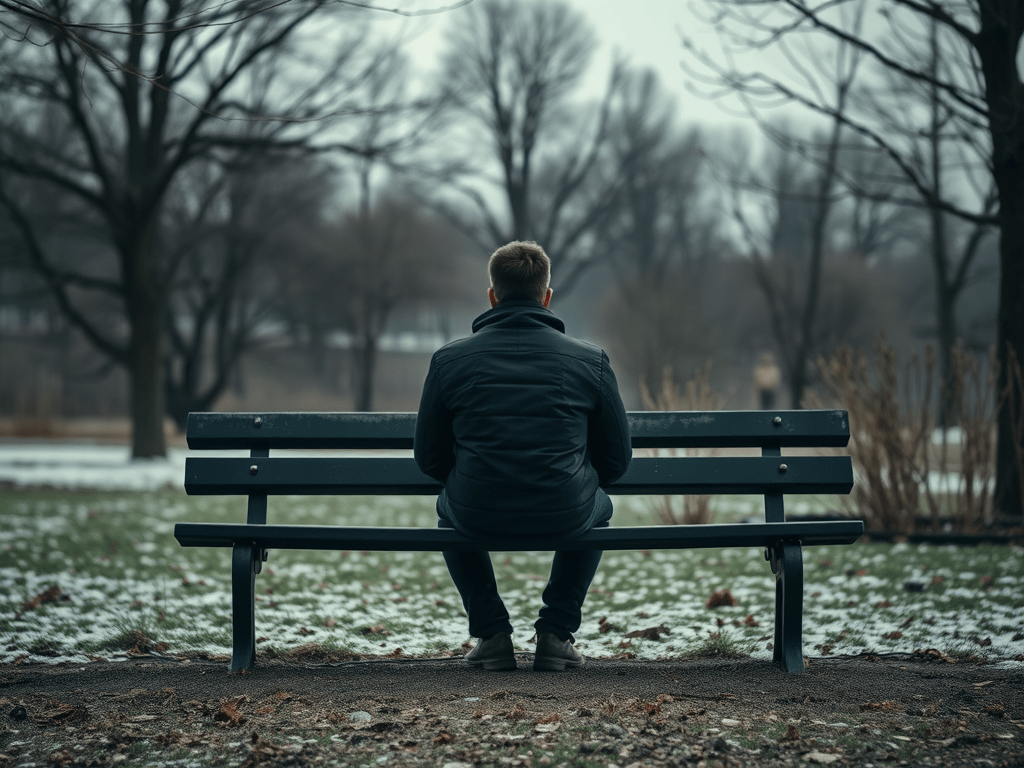
I was ninety-three days sober when a breaking-news alert I couldn’t ignore lit up my phone. By sunset, I had relapsed. One headline, one scroll, one shot.
That night, lying in the wreckage of my resolve, a terrifying clarity hit me: the digital feed in my pocket wasn’t just wasting my time; it was actively stealing my recovery. It was a relapse machine disguised as a connection tool.
So, I pulled the plug. Completely. No social media, no doom-scrolling, no cable news. I traded the screen for soil, pavement, and a 9 p.m. bedtime. What happened next to my brain, my cravings, and my sobriety was nothing short of a miracle.
The Digital Relapse Loop
The alcohol didn’t magically jump into my glass. It was coaxed out by a perfect storm of digital triggers. A push notification spiked my cortisol. A vicious comment thread made me feel worthless. An algorithm that knew exactly which emotional bruise to poke.
I was fighting a war on two fronts: the craving for a drink and the addiction to the screen. Researchers at the University of Pennsylvania found that cutting social media use to just thirty minutes a day can significantly reduce anxiety and loneliness. I couldn’t last three hours. My sobriety was slipping through a digital crack.
Hitting the Kill Switch
One Tuesday at 5 a.m., shaky and raw, something snapped. I tossed my phone into a drawer. I bought a $9.99 analog alarm clock. I deleted every social app. I told my friends, “If the world ends, call the landline.”
The first forty-eight hours were a withdrawal. My thumb had a phantom-limb syndrome, twitching to scroll thin air. My brain was a buzzing hive. But by day three, the noise in my head dropped by half. For the first time in years, I slept nine hours straight. My nervous system, for the first time in a decade, finally exhaled.
The Healing Power of a New Routine
I had to fill the void with something life-giving. I built three small garden boxes. I never planned to be the guy who talks to tomatoes, but it became my accidental meditation. Science shows that soil contains a bacterium, Mycobacterium vaccae, that acts as a natural antidepressant. Every time my hands were in the dirt, I felt a shift. Watering plants became a grounding ritual. My mantra was simple: “Roots or relapse—what am I growing today?”
I also adopted a farmer’s schedule: lights out by 9:30 p.m., up at 5 a.m. The National Sleep Foundation links lost sleep directly to increased relapse probability. Getting eight full hours of sleep cut my cravings by roughly 40%. If sobriety is a Jenga tower, sleep is the bottom block.
And I started to move. A two-mile walk each morning. Then push-ups. A cheap kettlebell. The American Journal of Psychiatry reports that regular exercise can reduce relapse rates by 25%. My personal metric was simpler: on days I moved, I didn’t drink.
The Quiet Victory
The first week was boredom rehab. The second week, the silence became space for journaling and reflection. By the third week, my neighbors were handing me zucchini; I’d become “the gardening dude,” forging real connections. By week four, I clocked my first sober month in years.
The world hadn’t ended without my constant monitoring. My urge to escape it had.
Your Turn to Unplug
You don’t need a homestead to find this peace. You just need a boundary between your brain and the toxic feed.
Start small.
- One offline hour.
- One seed planted in a cup on the windowsill.
- One walk around the block, phone left behind.
Stack these small bricks patiently. You’ll wake up one morning surprised by how quiet the world is, and how loud your own resilience sounds when the static finally dies.
The matrix will keep buzzing. But you can learn to unplug, to step outside its influence and into a life that is truly your own.
What’s one digital trigger you could eliminate this week? Share your commitment in the comments below.
Chris Mosser
Author of Grateful Truce and The AGI Dilemma


 Grateful Truce
Leave a reply to passionfortruths Cancel reply