
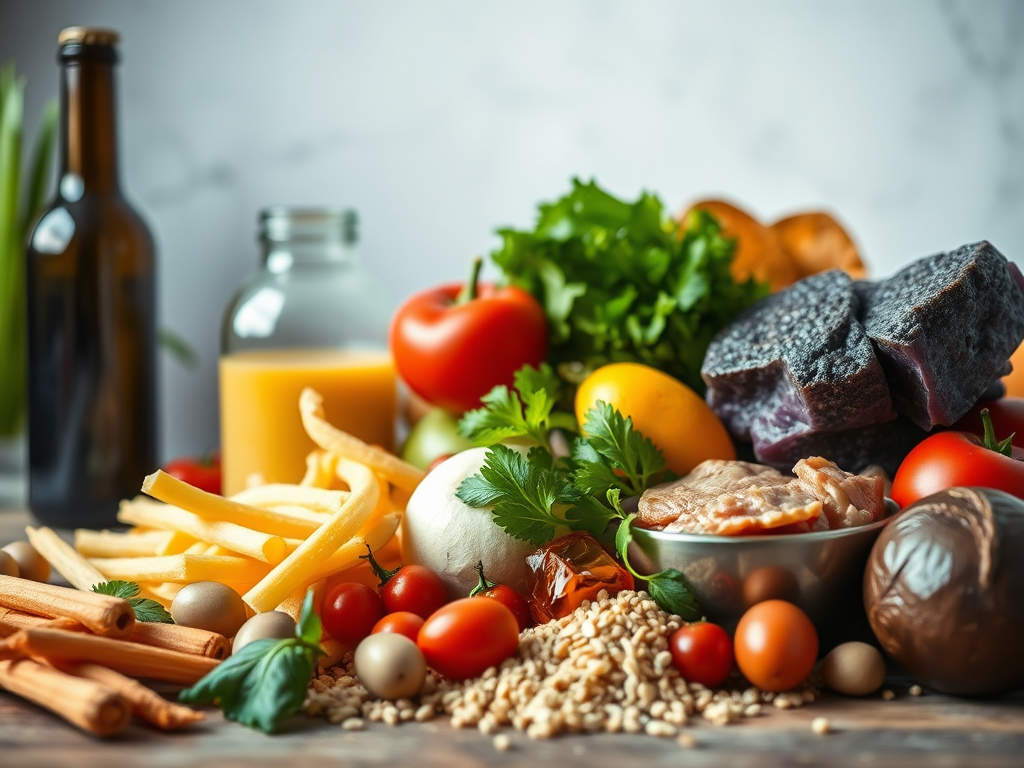
Title: From Bottle to Bag of Chips: How to Avoid Trading One Addiction for Another
If you’ve made it through the first 30 days of your recovery journey, congratulations. You’ve climbed a massive mountain. But many of us find ourselves in a new valley at the top: we put down the bottle and immediately pick up the bag of chips, the sugary sodas, and the fast food.
It’s a classic story in recovery rooms. A person walks in frail and underweight and, 30 days later, is 20 pounds heavier, now battling a new sugar addiction. This happens because alcohol is packed with sugar and carbs. Your body is screaming for that missing hit, and your brain is craving the dopamine rush it lost.
Trading alcohol for junk food isn’t healing; it’s just switching poisons. The goal isn’t just sobriety; it’s holistic health.
Why the Cravings Happen
Your body is confused. After being flooded with the simple sugars from alcohol, it’s now desperate for that easy energy source. This isn’t a failure of willpower; it’s a biochemical reaction. Recognizing this is the first step to overcoming it.
The foundation we built in Phase 1—movement and supplementation—has prepared your body for Phase 2: Intentional Nutrition. Now, it’s time to fuel your temple with purpose.
Practical Strategies for Healthy Eating (Without Becoming a Chef)
You don’t need to become a gourmet chef to eat healthily. Here are actionable strategies for the modern, busy person.
1. Leverage Meal Delivery Services (The Ultimate Easy Button)
For those who hate cooking or don’t know where to start, pre-packaged meal plans are a godsend. They portion calories and macros for you, removing all the guesswork.
- Recommendations: Services like Factor (keto-friendly, ready-to-heat), HelloFresh (easy cooking with pre-portioned ingredients), or Daily Harvest (plant-based smoothies and bowls) are fantastic options. They are an investment in your health that can save you from the far greater cost of poor eating habits.
2. Master the “No-Cook” Plate
Eating whole foods doesn’t require a stove. Build a balanced plate in minutes with:
- Protein: Pre-cooked grilled chicken strips, canned tuna or salmon, cottage cheese, Greek yogurt, or boiled eggs (you can buy them pre-boiled!).
- Healthy Carbs: Pre-washed microwavable quinoa pouches, whole-grain bread, or pre-cooked lentils.
- Veggies: Baby carrots, sugar snap peas, cherry tomatoes, and pre-washed salad greens. Just open the bag and eat.
- Healthy Fats: Avocado, a handful of nuts, or a drizzle of olive oil.
3. If You Cook, Keep it Simple
- The One-Pan Rule: Roast a sheet pan of chicken breasts or salmon filets with broccoli, bell peppers, and sweet potatoes. Season with olive oil, salt, and pepper. This is a complete, healthy meal with almost no cleanup.
- The Smoothie Rule: Blend spinach or kale, a scoop of protein powder, a handful of frozen berries, a tablespoon of almond butter, and water or almond milk. This is a nutrient-dense meal that fights sugar cravings.
The Spiritual Principle of Nourishment
This journey is about more than macros and calories; it’s about respect.
“So, whether you eat or drink, or whatever you do, do all to the glory of God.” – 1 Corinthians 10:31
Every meal is an opportunity to honor the body God has given you. Choosing a healthy meal over a sugary one is a powerful act of worship and stewardship. It’s saying, “This temple is worth protecting.”
Putting It All Together: Your Recovery Nutrition Plan
- Phase 1 (Days 1-30): Survival. Focus on hydration, movement, and supplements. Don’t stress about diet beyond trying to make slightly better choices.
- Phase 2 (Day 30+): Intentional Nourishment.
- Option A: Subscribe to a meal delivery service to make it easy.
- Option B: Build “no-cook” plates and simple one-pan meals.
- Hydrate: Continue drinking plenty of water. Herbal tea is great for curbing evening cravings.
- Plan: Spend 10 minutes on Sunday planning your meals for the week. This simple habit prevents desperate, unhealthy choices.
You’ve done the hard work of getting sober. Now, do the meaningful work of building a body that is strong, healthy, and truly well. Enjoy this short video on the topic.
What’s your biggest challenge with nutrition in recovery? Share it in the comments—let’s help each other find solutions.
Chris
Author of Grateful Truce




 Grateful Truce
Leave a comment