
“For there is no difference between Jew and Gentile—the same Lord is Lord of all and richly blesses all who call on him.”
— Romans 10:12 (NIV)
Alcoholism knows no borders. It doesn’t stop at checkpoints, respect passports, or care whether you live on a sun-drenched beach or a remote mountain village. Once that invisible line is crossed—the one that separates choice from compulsion—you find yourself in a country without a map, no matter where you were born.
But if the disease is universal, why does the treatment—and the suffering—look so different around the world?
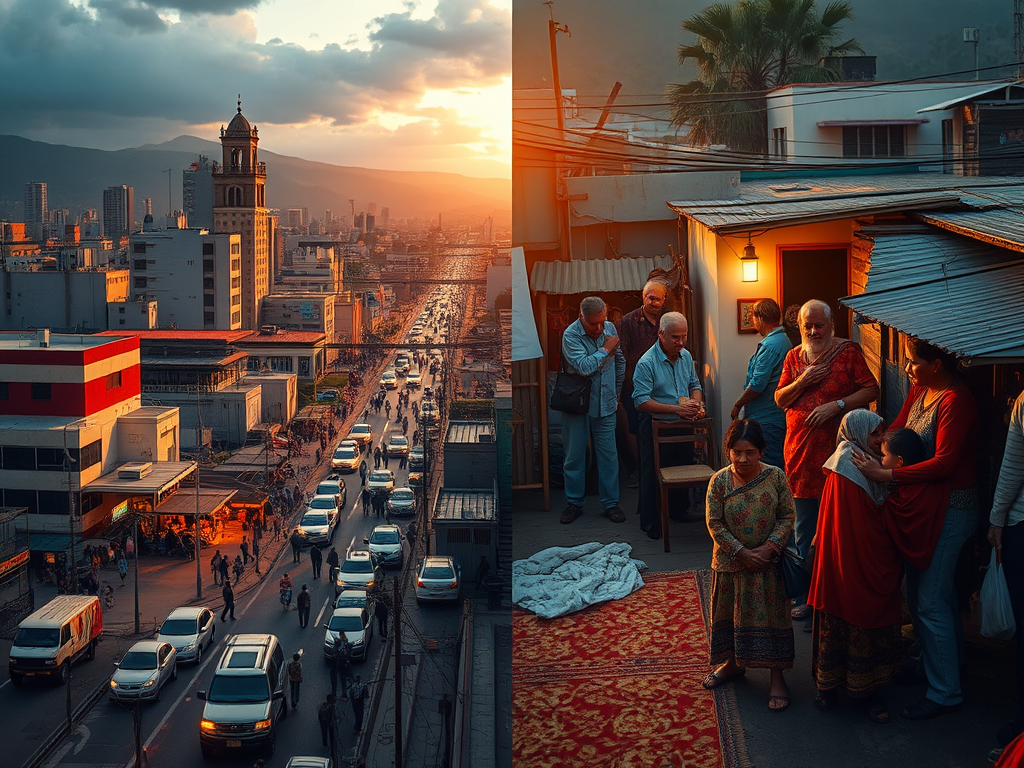
Take Mexico, for example. I’ve traveled there over 20 times, from bustling urban centers to quiet rural pueblos. The contrast with the United States is nothing short of staggering.
In America, the face of addiction is often homelessness:
- An estimated 140,000 homeless addicts living on the streets.
- A rehab industry worth $42 billion annually.
- Methadone clinics on city corners.
- An average cost of $15,000 for a 30-day rehab stay.
- We spend roughly $1,200 per alcoholic in treatment costs.
In Mexico, the landscape is dramatically different:
- Approximately 30,000 homeless addicts, concentrated mainly in Mexico City.
- A total annual investment of around $400 million in treatment—90% less than the U.S.
- An average cost of $20 per alcoholic.
- Rehab stays costing around $500 for 30 days.
How can a nation with a far smaller economy appear to face such a less visible crisis? The answers aren’t simple, but they are profound:
- Stronger Family Networks: There’s a cultural emphasis on family care, not institutionalization.
- Community Integration: Those struggling are often kept within the fabric of society, not marginalized onto the street.
- Less Commercialization of Treatment: Recovery isn’t a multi-billion-dollar industry; it’s a community responsibility.
Yet, drinking is still glorified in Mexico. Bars exist, alcohol is widely consumed, and the cultural pressure to drink is real. So why don’t we see the same scale of visible despair?
The uncomfortable truth is this: No country has solved addiction. No amount of money guarantees recovery. No single program works for everyone.
America has been fighting a “war on drugs” for decades with the same tools: more rehabs, more meetings, more medication. And yet, the relapse rates remain devastatingly high. We’re treating a spiritual and psychological disease with purely clinical and commercial solutions.
Maybe it’s time to look beyond our borders—not for a miracle cure, but for perspective. Maybe it’s time to question why we keep doing the same thing and expecting different results.
Maybe it’s time to consider that for some, there is a third way: a truce built on faith, self-awareness, and moderation—not just abstinence or relapse.
What if the answer isn’t spending more, but caring differently? What if recovery isn’t about isolation, but integration?
The conversation is just beginning.
— Chris
(Author, “Grateful Truce”)




 Grateful Truce
Leave a comment