
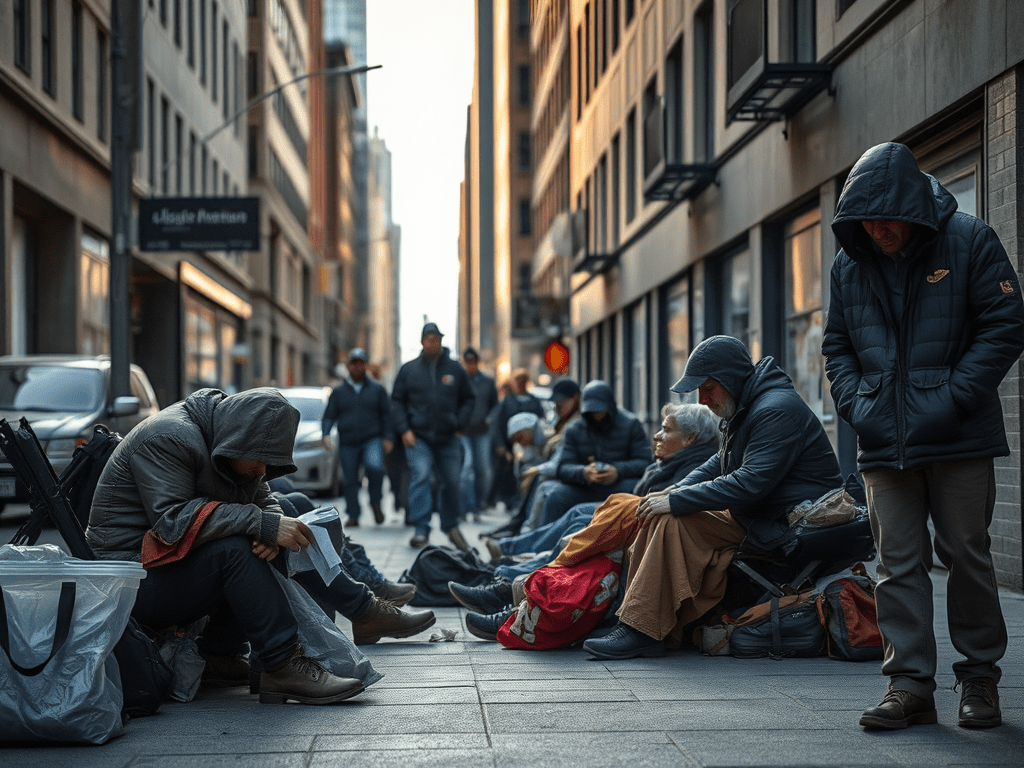
Homelessness in America: A Crisis of Affordability, Addiction, and Systemic Failure
“Whoever is kind to the poor lends to the Lord, and he will reward them for what they have done.”
— Proverbs 19:17 (NIV)
Homelessness in the U.S. has surged over the past five years, fueled by skyrocketing housing costs, wage stagnation, and inadequate support for vulnerable populations. This analysis focuses on three epicenters of the crisis—Washington D.C., San Francisco, and Los Angeles—to dissect the numbers, substance abuse rates, and economic forces pushing people onto the streets.
1. Homelessness by the Numbers (2019–2024)
Data sourced from HUD’s Annual Homeless Assessment Reports (AHAR), local Point-in-Time (PIT) counts, and municipal reports.
Washington D.C.
- 2024: ~6,380 homeless (↑12% since 2019)
- Key Factors: High rent burden (avg. 1-bedroom: $2,400/month), bureaucratic delays in affordable housing.
- Notable Trend: Family homelessness rose by 20% post-pandemic.
San Francisco
- 2024: ~7,750 homeless (↑9% since 2019)
- Key Factors: Tech-driven gentrification, 30% of homeless are chronically homeless (unsheltered for 1+ years).
Los Angeles
- 2024: ~46,260 homeless (↑15% since 2019)
- Key Factors: Largest unsheltered population in the U.S.; 75% live in vehicles or makeshift encampments.
*(Note: 2024 figures are estimates based on pre-2024 trends; exact counts vary by methodology.)*
2. Substance Use and Mental Health Among the Homeless
Studies show overlapping crises of addiction and homelessness:
| City | Alcohol/Substance Use Disorder (%) | Severe Mental Illness (%) |
|---|---|---|
| D.C. | 32% | 25% |
| SF | 42% | 35% |
| LA | 38% | 30% |
Scripture Reflection:
“Do not look down on the wine when it is red, when it sparkles in the cup… At the last it bites like a serpent.”
— Proverbs 23:31-32 (ESV)
Addiction often results from homelessness (self-medication for trauma) as much as it causes it.
3. Economic Forces Driving Homelessness
A. “Working but Homeless”
- LA: 15% of homeless are employed (often service workers earning <$20/hr).
- SF: 1 in 5 homeless held a job in the past year.
- D.C.: Rising gig economy jobs lack benefits/stability.
B. Disabled and Veterans
- National Avg.: 11% of homeless are veterans; 25% have disabilities.
- D.C.: 8% of homeless are vets (VA housing programs lag).
C. Rent Burden
- All 3 Cities: Median rent requires 2–3x minimum-wage income.
- Scripture: “Woe to those who add house to house and field to field, until there is no more room.” — Isaiah 5:8
Conclusion: A Call for Compassion and Policy Reform
Homelessness isn’t inevitable—it’s a policy choice. Solutions require:
- Expanding affordable housing (e.g., LA’s Prop HHH).
- Integrated addiction/mental health care.
- Living wages and tenant protections.
“Speak up for those who cannot speak for themselves.” — Proverbs 31:8
What do you think? Should we just round them up and dump them far away in Washington DC as President Trump suggests? Please like, share, and subscribe.
Sources: HUD AHAR (2020–2023), LAHSA, SF Coalition on Homelessness, D.C. Interagency Council on Homelessness.




 Grateful Truce
Leave a comment